
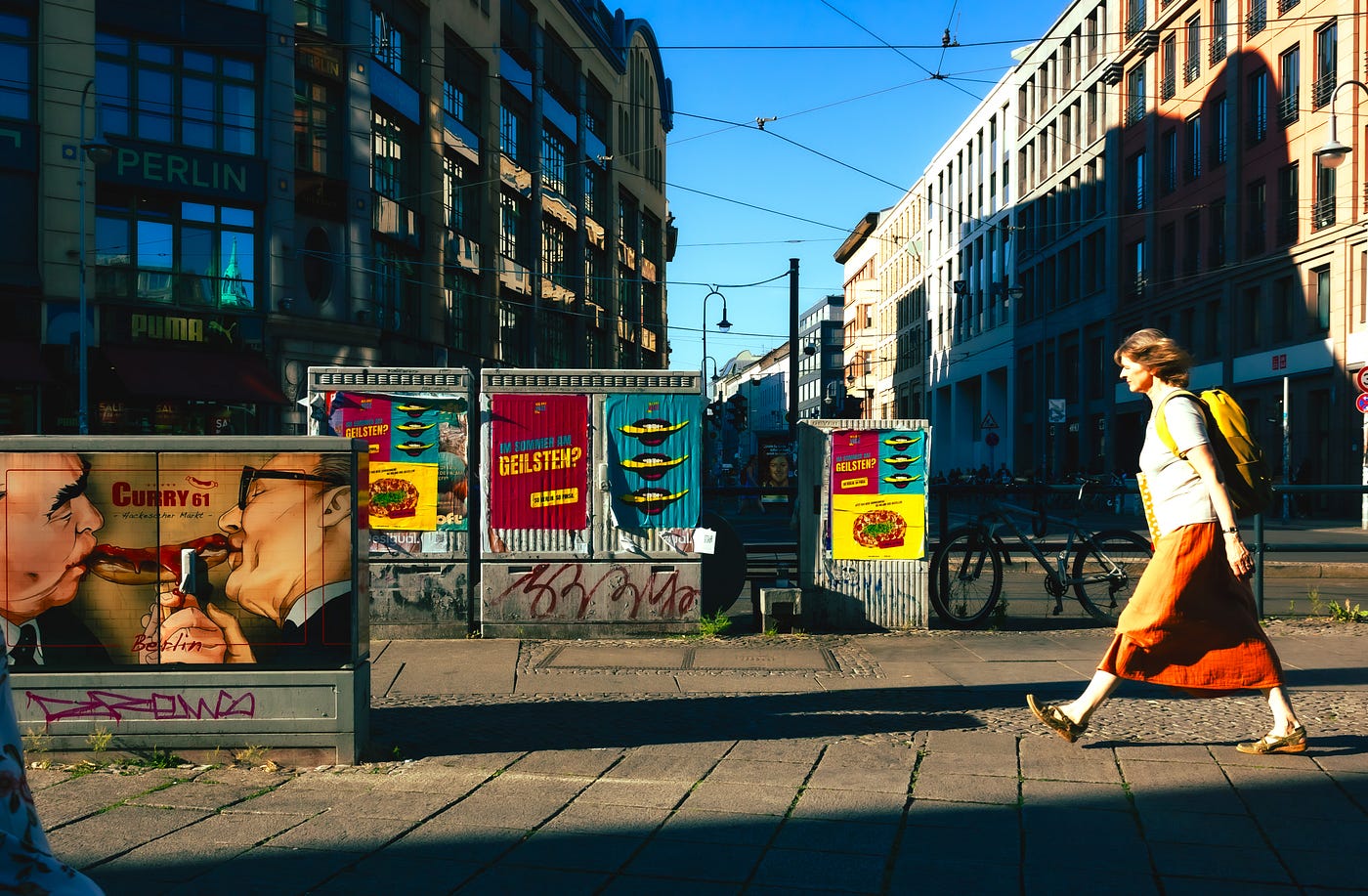

Photography is more than simply capturing images. It is a powerful medium of expression that blends creativity with technical precision. Whether used for storytelling, documentation, art, or communication, photography shapes how people observe and interpret the world around them. From beginners learning camera basics to enthusiasts refining artistic style, understanding photography opens the door to visual mastery.
What Is Photography
Photography is the process of recording light using a camera to create images. Modern photography combines technology and artistic decision-making. A photographer controls exposure, composition, focus, and timing to transform ordinary scenes into meaningful visuals.
Photography serves several purposes:
- Artistic expression
- Journalism and storytelling
- Scientific documentation
- Commercial marketing
- Personal memories and travel records
Each photograph reflects both the subject and the perspective of the photographer behind the camera.
The Basic Elements of Photography
Understanding the fundamentals helps photographers produce consistent and impactful images.
Exposure
Exposure determines how light or dark an image appears. It depends on three core settings:
- Aperture
- Shutter speed
- ISO sensitivity
Balancing these three elements is known as the exposure triangle.
Composition
Composition refers to how elements are arranged within a frame. Strong composition guides the viewer’s eye and strengthens visual storytelling.
Popular composition techniques include:
- Rule of thirds
- Leading lines
- Framing
- Symmetry
- Negative space
Lighting
Lighting is the foundation of photography. Natural and artificial lighting both influence mood, clarity, and contrast.
Soft light works best for portraits, while directional light enhances texture in landscapes and architecture.
Types of Photography
Photography includes many specialized styles. Each requires different techniques and equipment.
Portrait Photography
Portrait photography focuses on capturing personality and emotion. Lighting and background selection play critical roles in creating strong portraits.
Landscape Photography
Landscape photography highlights natural environments such as mountains, rivers, forests, and skies. Timing and lighting conditions are essential for compelling results.
Wildlife Photography
Wildlife photography requires patience and long lenses to capture animals in their natural habitats without disturbing them.
Macro Photography
Macro photography reveals fine details of small subjects such as insects, textures, and water droplets that are not easily visible to the human eye.
Street Photography
Street photography documents everyday life in public spaces. It captures spontaneous human moments and authentic interactions.
Essential Photography Equipment
While skill matters more than equipment, the right tools improve creative control and image quality.
Important equipment includes:
Camera
Beginners often start with entry-level DSLR or mirrorless cameras. Smartphones also provide strong capabilities for everyday photography.
Lenses
Different lenses serve different purposes:
- Wide-angle lenses for landscapes
- Prime lenses for portraits
- Telephoto lenses for wildlife
Tripod
Tripods stabilize the camera during low-light shooting and long exposures.
Lighting Accessories
External flashes and reflectors help manage lighting conditions effectively.
Camera Settings Every Photographer Should Know
Learning manual camera control allows photographers to adapt to changing conditions.
Aperture
Aperture controls how much light enters the camera and influences depth of field.
Wide apertures create blurred backgrounds. Narrow apertures keep more of the scene in focus.
Shutter Speed
Shutter speed controls motion.
Fast shutter speeds freeze action. Slow shutter speeds create motion blur effects.
ISO
ISO controls camera sensitivity to light.
Lower ISO values produce cleaner images. Higher ISO values help in low-light environments but may introduce noise.
Importance of Composition Techniques
Composition transforms a technically correct photo into a visually engaging image.
Key techniques include:
Rule of Thirds
Dividing the frame into nine equal parts helps place subjects naturally within the image.
Leading Lines
Lines guide viewer attention toward the subject.
Framing
Using objects such as windows, trees, or arches adds depth to photographs.
Perspective
Changing shooting angles dramatically alters how subjects appear.
Natural Light vs Artificial Light
Lighting determines mood and visual impact.
Natural light advantages:
- Soft and realistic appearance
- Ideal for outdoor photography
- Changes throughout the day
Artificial light advantages:
- Controlled brightness
- Consistent conditions
- Useful for studio photography
Golden hour shortly after sunrise and before sunset provides especially pleasing lighting conditions.
Editing and Post Processing
Editing enhances photographs without replacing creativity.
Common editing adjustments include:
- Exposure correction
- Color balance improvement
- Contrast enhancement
- Cropping for better composition
Popular editing software allows photographers to refine images while maintaining natural results.
Tips for Beginners in Photography
Starting photography can feel overwhelming, but steady practice builds confidence quickly.
Helpful beginner tips include:
- Learn manual settings gradually
- Practice shooting in natural light
- Focus on composition before equipment upgrades
- Study work from experienced photographers
- Take photos regularly to improve consistency
Improvement happens through observation and experimentation.
Building a Personal Photography Style
Every photographer eventually develops a recognizable visual identity.
Ways to develop style include:
- Exploring different photography genres
- Observing how lighting affects mood
- Choosing consistent color tones
- Focusing on subjects that inspire curiosity
A strong personal style makes photographs more memorable and expressive.
Career Opportunities in Photography
Photography offers several professional paths.
Popular career directions include:
- Wedding photography
- Commercial photography
- Photojournalism
- Fashion photography
- Travel photography
- Product photography
Success often depends on both creative skill and business understanding.
Frequently Asked Questions About Photography
What is the best camera for beginners in photography
Entry-level mirrorless and DSLR cameras are ideal for beginners because they provide manual controls and interchangeable lenses while remaining easy to learn.
How important is lighting in photography
Lighting is one of the most important factors in photography because it determines mood, clarity, texture, and overall image quality.
Can smartphone photography be considered professional
Modern smartphones produce high-quality images suitable for many professional applications when used with proper lighting and composition techniques.
What is the easiest photography genre for beginners to start with
Portrait and landscape photography are usually the easiest starting points because they allow experimentation with composition and lighting.
How long does it take to become skilled at photography
Basic skills can develop within a few months of practice, while mastering advanced techniques may take several years of consistent learning.
Do photographers need expensive equipment to succeed
Strong composition, lighting awareness, and creativity matter more than expensive equipment, especially in the early stages of learning.
Is photo editing necessary in photography
Editing helps refine images and improve presentation, but it should enhance photographs rather than replace good shooting techniques.
Comments are closed.