
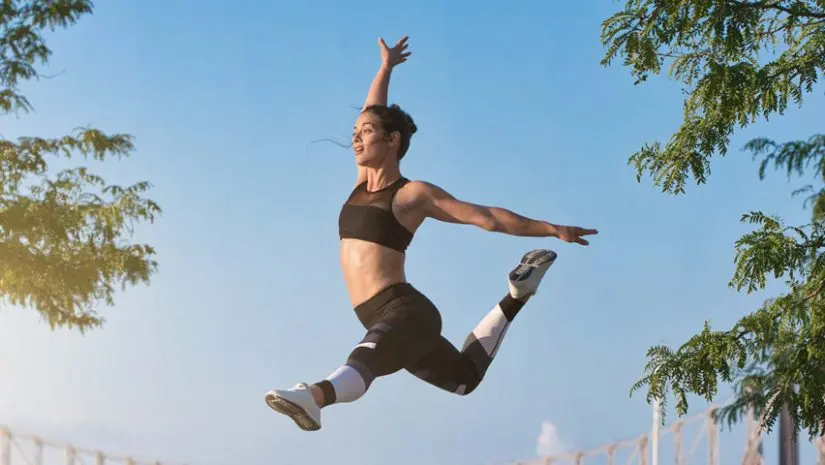

Action photography captures subjects in motion with clarity, precision, and impact. Whether photographing sports, wildlife, vehicles, or children playing, mastering the right camera settings helps freeze movement or creatively emphasize motion. Understanding how shutter speed, autofocus, ISO, and shooting modes work together allows photographers to consistently produce sharp action shots in challenging conditions.
What Is Action Photography
Action photography focuses on capturing moving subjects at the right moment. Timing, anticipation, and camera control are essential. Unlike static photography, action scenes change quickly, requiring fast adjustments and predictive shooting techniques.
Common action photography subjects include:
- Sports events
- Wildlife movement
- Street motion scenes
- Dance performances
- Vehicles in motion
Successful action photography balances technical precision with quick decision-making.
Best Shutter Speed for Freezing Motion
Shutter speed is the most important setting when photographing fast movement. It determines how motion appears in an image.
Recommended shutter speeds:
- 1/500 second for jogging or casual movement
- 1/1000 second for sports action
- 1/2000 second or faster for birds in flight
- 1/4000 second for motorsports or extreme speed
Faster shutter speeds freeze motion sharply, while slower speeds create motion blur that adds a sense of movement.
Choosing the Right Aperture for Action Shots
Aperture affects both light entry and depth of field. In action photography, a wider aperture helps maintain faster shutter speeds.
Useful aperture ranges include:
- f/2.8 for low light sports
- f/4 for moderate movement scenes
- f/5.6 to f/8 for group action scenes requiring more depth
Wide apertures also help isolate subjects from distracting backgrounds.
Setting ISO for Fast Movement Photography
ISO controls camera sensitivity to light. Increasing ISO helps maintain fast shutter speeds in darker conditions.
Typical ISO adjustments:
- ISO 100 to 400 in bright daylight
- ISO 400 to 1600 in cloudy environments
- ISO 1600 to 6400 in indoor sports venues
Modern cameras handle higher ISO values well, but keeping ISO as low as possible maintains better image quality.
Using Continuous Autofocus Mode Effectively
Continuous autofocus mode tracks moving subjects automatically. This setting allows the camera to adjust focus as the subject changes position.
Benefits of continuous autofocus:
- Maintains subject sharpness during movement
- Improves tracking accuracy
- Increases success rate during fast action sequences
Most cameras label this mode as AF-C or AI Servo depending on the manufacturer.
Burst Mode for Capturing Perfect Moments
Burst mode captures multiple images in rapid succession. This increases the chance of selecting the sharpest frame from a fast-moving sequence.
Advantages include:
- Higher probability of capturing peak action
- Better selection flexibility during editing
- Useful for unpredictable subjects like wildlife
Professional sports photographers rely heavily on burst shooting for consistent results.
Selecting the Right Focus Area Mode
Choosing the correct focus area improves subject tracking accuracy.
Recommended focus area settings:
- Single point focus for precise targeting
- Dynamic area focus for moderate motion tracking
- Wide area tracking for unpredictable movement
Experimenting with different focus zones helps determine which works best for specific subjects.
Panning Technique for Creative Motion Effects
Instead of freezing motion completely, panning keeps the subject sharp while blurring the background.
Steps to perform effective panning:
- Use slower shutter speeds such as 1/30 to 1/125
- Follow the subject smoothly while shooting
- Maintain steady body movement during exposure
This technique creates dramatic motion storytelling in cycling, racing, and running photography.
Best Shooting Modes for Action Photography
Camera shooting modes simplify exposure adjustments during fast-paced scenes.
Recommended shooting modes:
Shutter Priority Mode
Allows direct control over shutter speed while the camera adjusts aperture automatically.
Manual Mode
Provides full creative control in consistent lighting conditions.
Auto ISO Mode
Maintains exposure balance when lighting changes quickly.
Combining shutter priority with auto ISO is especially effective for beginners.
Choosing the Right Lens for Fast Movement
Lens selection significantly affects action photography performance.
Ideal lens types include:
- Telephoto lenses for distant subjects
- Zoom lenses for flexible framing
- Wide aperture lenses for indoor sports
Long focal lengths help isolate subjects and bring distant action closer.
Timing and Anticipation in Action Photography
Technical settings alone do not guarantee strong action images. Anticipation plays a major role.
Improve timing by:
- Observing subject movement patterns
- Predicting peak action moments
- Pre focusing on expected movement areas
- Practicing reaction speed during shooting
Experienced photographers often capture action before it fully unfolds.
Common Mistakes to Avoid in Action Photography
Avoiding common errors improves success rates quickly.
Frequent mistakes include:
- Using shutter speeds that are too slow
- Relying on single shot autofocus
- Ignoring subject movement direction
- Shooting without burst mode enabled
- Choosing incorrect focus area settings
Correcting these issues leads to sharper and more consistent results.
Frequently Asked Questions About Action Photography Settings
What shutter speed freezes fast sports action effectively
A shutter speed of at least 1/1000 second is recommended for most sports, while faster subjects may require 1/2000 second or higher.
Is shutter priority mode better than manual mode for beginners
Shutter priority mode is often easier for beginners because it ensures fast shutter speeds while the camera adjusts other exposure settings automatically.
Can action photography be done with a kit lens
Yes, kit lenses can capture action scenes effectively in bright lighting conditions, especially when paired with proper autofocus settings and burst mode.
Why are my action photos still blurry at fast shutter speeds
Blur may occur due to incorrect focus tracking, subject movement direction changes, or camera shake during shooting.
Should image stabilization be turned on during action photography
Image stabilization helps reduce camera shake but does not freeze subject movement, so it should be used alongside fast shutter speeds.
What autofocus mode works best for moving subjects
Continuous autofocus mode provides the best results because it tracks subject movement throughout the frame.
How can beginners practice action photography at home
Photographing pets, running water, moving vehicles from a safe distance, or children playing are effective ways to practice action shooting techniques.
Comments are closed.