
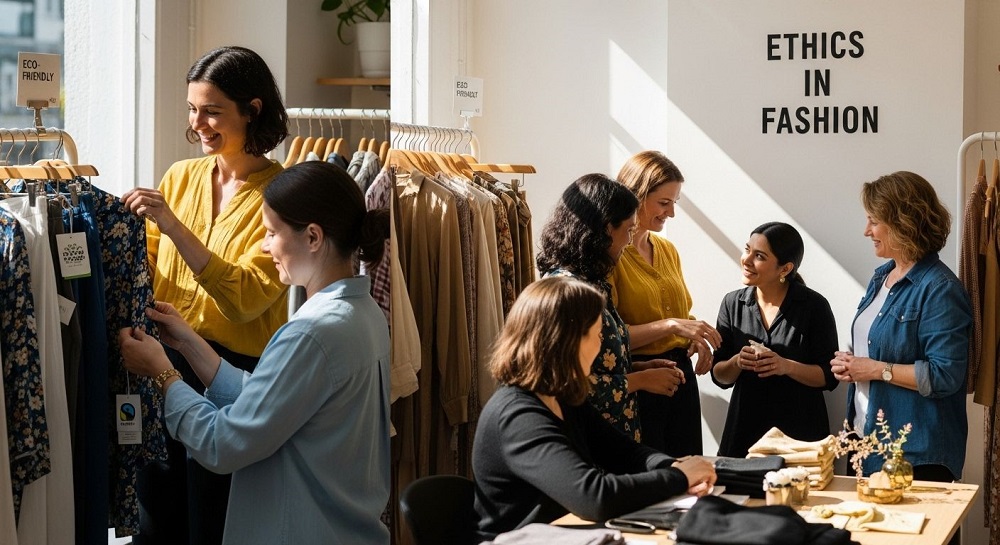

Introduction: Fashion with Purpose and Identity
Fashion has always been a powerful form of self-expression. Today, it is also becoming a statement of values. Ethical fashion allows individuals to shape their personal style while supporting environmental responsibility, fair labor practices, and conscious consumption.
Rather than following fast-moving trends, many consumers are now choosing clothing that reflects authenticity, longevity, and social awareness. Ethical fashion is not about limiting creativity. It expands it by encouraging thoughtful decisions that align appearance with purpose.
What Ethical Fashion Really Means
Ethical fashion refers to clothing designed, produced, distributed, and consumed in ways that minimize harm to people and the environment. It supports transparency across supply chains and promotes responsible material sourcing.
Key elements of ethical fashion include:
- Fair wages and safe working conditions for garment workers
- Use of environmentally friendly fabrics
- Reduced carbon emissions during production
- Waste minimization through mindful manufacturing
- Support for local artisans and small-scale producers
Ethical fashion transforms clothing from disposable items into meaningful pieces with lasting value.
Why Consumers Are Rethinking Their Wardrobes
Growing awareness of environmental impact and labor exploitation has encouraged consumers to rethink how they shop. People are increasingly prioritizing quality over quantity and intention over impulse.
Several motivations are shaping this shift:
- Desire for long-lasting garments rather than short-term trends
- Increased awareness of textile waste pollution
- Interest in supporting ethical brands
- Preference for timeless personal style over seasonal cycles
- Concern about synthetic materials harming ecosystems
Consumers now see their wardrobes as reflections of both personality and responsibility.
Building a Personal Style Through Ethical Choices
Ethical fashion does not restrict creativity. Instead, it strengthens individuality by encouraging intentional styling decisions.
Some effective ways to build a responsible yet expressive wardrobe include:
Choosing Quality Over Quantity
High-quality garments maintain shape, color, and comfort longer. Investing in fewer well-made pieces creates a versatile wardrobe that supports multiple outfit combinations.
Supporting Sustainable Materials
Natural and responsibly sourced materials contribute to both comfort and environmental protection. Examples include:
- Organic cotton
- Linen
- Hemp
- Tencel
- Recycled fabrics
These materials reduce ecological impact without compromising style.
Exploring Second-Hand Fashion
Vintage and pre-owned clothing offer unique styling opportunities. They allow consumers to express originality while extending garment life cycles.
Creating a Capsule Wardrobe
A capsule wardrobe focuses on a small number of adaptable clothing items that work together effortlessly. This approach simplifies daily choices while enhancing stylistic consistency.
The Role of Transparency in Ethical Fashion
Transparency helps consumers make informed decisions. Ethical brands often share detailed information about:
- Manufacturing locations
- Material sourcing
- Worker welfare policies
- Environmental commitments
This openness builds trust and allows shoppers to align purchases with personal values.
Consumers who understand production processes are more likely to invest in garments thoughtfully rather than impulsively.
How Ethical Fashion Strengthens Confidence
Wearing clothing that reflects personal ethics can positively influence confidence. When individuals know their wardrobe choices support fair labor and sustainability, their style gains deeper meaning.
Ethical fashion encourages:
- Stronger connection between identity and appearance
- Reduced decision fatigue through intentional purchasing
- Greater appreciation for clothing ownership
- Pride in responsible consumption
Confidence grows when style aligns with values.
Practical Steps Toward an Ethical Wardrobe
Transitioning toward ethical fashion does not require replacing everything at once. Gradual improvements create lasting habits.
Simple steps include:
- Repairing garments instead of discarding them
- Buying fewer but higher-quality pieces
- Choosing certified sustainable brands
- Donating unused clothing responsibly
- Avoiding impulse purchases
- Researching materials before buying
Small changes collectively create significant impact.
The Influence of Ethical Fashion on Future Style Trends
Ethical fashion is shaping the direction of the global clothing industry. Designers are increasingly adopting sustainable practices, while consumers continue demanding accountability.
Emerging trends include:
- Circular fashion systems
- Rental clothing platforms
- Biodegradable textiles
- Digital transparency tools
- Slow fashion movements
These developments suggest that responsible fashion will remain central to future style innovation.
Conclusion
Ethical fashion empowers consumers to redefine personal style through thoughtful choices that respect both people and the planet. Instead of limiting expression, it encourages authenticity, creativity, and responsibility. By choosing garments carefully and supporting transparent brands, individuals can build wardrobes that reflect both aesthetic identity and ethical awareness.
Frequently Asked Questions
1. How can beginners start transitioning toward ethical fashion without overspending
Start by using existing clothing longer, buying fewer items, and choosing durable pieces when replacements are necessary. Gradual changes reduce cost and increase awareness.
2. Are sustainable clothing materials always more expensive
Not always. While some eco-friendly fabrics cost more initially, their durability often makes them more economical over time.
3. How does ethical fashion differ from sustainable fashion
Ethical fashion focuses primarily on fair labor and human rights, while sustainable fashion emphasizes environmental protection. Many brands combine both approaches.
4. Can ethical fashion still follow modern trends
Yes. Many ethical designers create contemporary collections that align with current styles while maintaining responsible production practices.
5. What certifications help identify ethical clothing brands
Common indicators include Fair Trade certification, Global Organic Textile Standard approval, and transparency reports published by brands.
6. Does buying second-hand clothing really reduce environmental impact
Yes. Purchasing pre-owned garments extends product life cycles and reduces demand for new manufacturing, lowering textile waste.
7. How can consumers verify whether a brand is truly ethical
Consumers can review brand transparency reports, supply chain disclosures, sustainability commitments, and independent certification labels before making purchases.
Comments are closed.